
When evaluating automated viscosity control systems, the sticker shock is real. A complete system with sensors, controllers, and integration can easily run $25,000 to $150,000 or more, depending on complexity and the number of lines. For paint operations already struggling with thin margins, this seems like an easy "no." But this reflexive cost avoidance often masks a more expensive reality: the hidden costs of manual viscosity control are quietly draining value every single day.
The Hidden Cost of Manual Methods
Manual viscosity checks feel inexpensive because the costs are diffuse and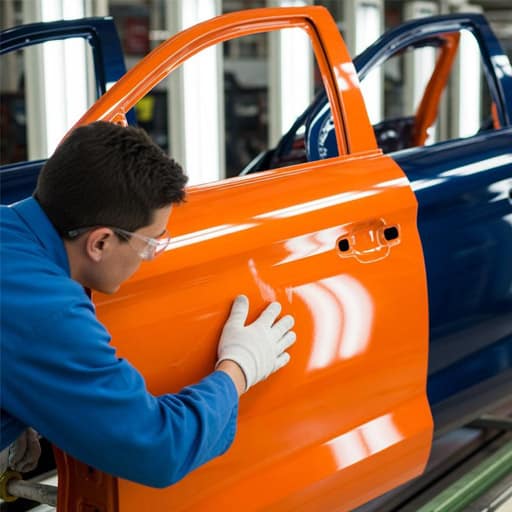 largely invisible on financial statements. Consider what's actually happening: operators stop production multiple times per shift to run viscosity cup tests. Each test takes 5-10 minutes when you account for walking to the booth, running the test, making adjustments, and documenting results. Across multiple shifts and paint lines, this easily consumes 2-3 hours of labor daily. At fully-loaded labor rates of $40-60 per hour in automotive facilities, that's $30,000-$50,000 annually just in direct labor costs.
But labor is just the beginning. Manual checks are inherently infrequent, typically every 1-2 hours if you're diligent. Between checks, viscosity drifts due to solvent evaporation, temperature changes, or material settling. This drift directly impacts transfer efficiency, creating overspray that becomes hazardous waste. In high-volume operations, even a 2-3% reduction in transfer efficiency can waste $100,000-$300,000 worth of paint annually.
Quality Costs That Don't Appear on Purchase Orders
The quality implications cut even deeper. When viscosity drifts out of specification between manual checks, you're applying defective coating for potentially hours before detection. In automotive OEM and Tier 1 operations, this means rework, scrap, or worst case, field failures. A single major quality incident, requiring a production line shutdown or customer rejection, can cost more than an automated viscosity system.
Manual processes also introduce human variability. Different operators interpret viscosity cup results differently. Fatigue, distraction, or simple human error mean your process is never truly in control. The statistical process control charts might look acceptable, but you're operating with far wider process windows than necessary, sacrificing quality margin that could prevent defects.
The ROI Reality
When you properly account for these hidden costs, the ROI calculation flips dramatically. A typical automated viscosity control system in an automotive paint operation pays for itself in 12-24 months through:
- Reduced paint consumption from optimized transfer efficiency
- Elimination of manual testing labor
- Decreased rework and scrap rates
- Lower hazardous waste disposal costs
- Reduced quality escapes and associated warranty costs
Beyond direct savings, automated systems provide real-time data that enables continuous improvement. You can correlate viscosity variations with quality outcomes, optimize your paint formulations, and respond instantly to process upsets rather than discovering them hours later.
The Cost of Waiting
Perhaps the most overlooked cost is opportunity cost. Every month you delay automation is another month of waste, inefficiency, and quality risk. If an automated system would save $150,000 annually, delaying the decision by a year costs you that $150,000 in lost savings. Money that could fund the next improvement project.
The upfront investment is visible and uncomfortable, but the daily bleed of hidden costs is quietly undermining your competitiveness. In an industry where margins are measured in basis points, automated viscosity control isn't a luxury, it's a competitive necessity that pays for itself faster than most equipment investments.
Helpful Links & Resources