



Articles By: Rob Gladstone
President, Saint Clair Systems
- All
- Automation
- Automotive
- Blog
- Bonding & Overmolding
- Coil Coating
- Industrial Finishing
- Packaging
- Paint
- Painting
- Printing
- Robotics
- Roll Coating
- Sealant
- Sealant & Adhesive Dispensing
- Uncategorized
- Video
Why Automated Viscosity Control Requires Less Maintenance Than You Think
By Rob Gladstone | Automation, Automotive, Blog, Industrial Finishing, Paint, Painting, Roll Coating
The image of fouled sensors requiring constant attention comes from industrial instrumentation of decades past. Modern viscosity sensors are engineered specifically for paint environments with features that minimize maintenance. Most facilities complete sensor maintenance in 15-30 minutes during planned downtime or shift changes. This isn't exotic laboratory equipment requiring specialized technicians; it's robust industrial instrumentation designed for production environments.
Real-Time Adjustment Isn’t the Risk; Manual Correction Is
By Rob Gladstone | Automation, Automotive, Blog, Industrial Finishing, Paint, Painting, Roll Coating
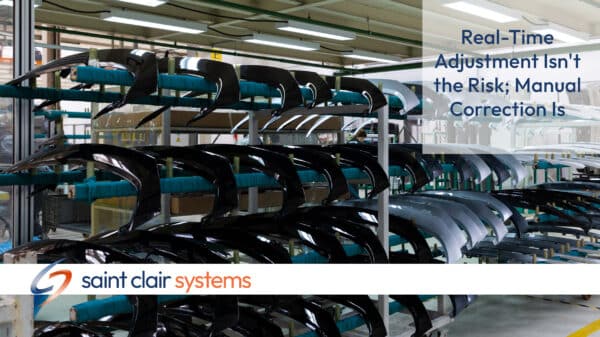
There's a peculiar middle ground many paint operations occupy. They've invested in automated viscosity monitoring but still make manual adjustments. Operators watch real-time viscosity readings on screens, then walk to the paint kitchen to manually add solvent when needed. The reluctance to enable automatic solvent addition stems from a belief that experienced operators make better adjustment decisions than algorithms. But what happens during manual correction?

The Illusion of Manual Reliability: Why “Good Enough” Is Costing You
By Rob Gladstone | Automation, Automotive, Blog, Industrial Finishing, Paint, Painting, Roll Coating
Why fix what isn't broken? This perceived reliability of manual methods is a barrier to automation because it's rooted in partial truth. Manual methods can work. The question is whether "working" is the same as "optimal”, and whether that gap is costing you more than you realize. The comfort of familiar manual methods is a competitive liability disguised as operational stability.
Your Paint Isn’t Too Complex for Automated Viscosity Control. It’s Too Complex for Manual Control
By Rob Gladstone | Automation, Automotive, Blog, Industrial Finishing, Paint, Painting, Roll Coating
The concern about switching between different paint formulations assumes that automated systems can only handle one product at a time. Modern viscosity control systems are essentially industrial computers with recipe management software. If your paint chemistry were simple and invariant, you wouldn't need sophisticated control. It's precisely because your coatings are complex that you need automation to manage them properly.

Understanding the True ROI of Automated Viscosity Control
By Rob Gladstone | Automation, Automotive, Blog, Industrial Finishing, Paint, Painting, Roll Coating
Manual viscosity checks feel inexpensive because the costs are diffuse and largely invisible on financial statements. Consider what's actually happening: operators stop production multiple times per shift to run viscosity cup tests. Each test takes 5-10 minutes when you account for walking to the booth, running the test, making adjustments, and documenting results. Across multiple shifts and paint lines, this easily consumes 2-3 hours of labor daily.

Getting Viscosity Right: A Practical Guide for Automated Paint Operations
By Rob Gladstone | Automation, Automotive, Blog, Coil Coating, Industrial Finishing, Paint, Painting, Roll Coating, Uncategorized
Viscosity control follows a logical progression: start with monitoring, implement automated control, and only add temperature management if needed. This staged approach prevents over-engineering while ensuring you address actual problems rather than theoretical ones.
Viscosity Cups in Automation: A 20th Century Tool in a 21st Century Factory
By Rob Gladstone | Automation, Automotive, Blog, Coil Coating, Industrial Finishing, Paint, Painting, Roll Coating
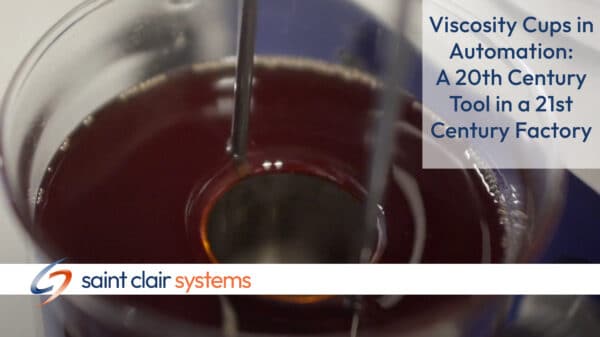
Viscosity cups are the same basic technology that's been around for nearly a century. While these simple gravity-fed devices have their place, they present serious limitations when controlling material viscosity in automated painting applications.
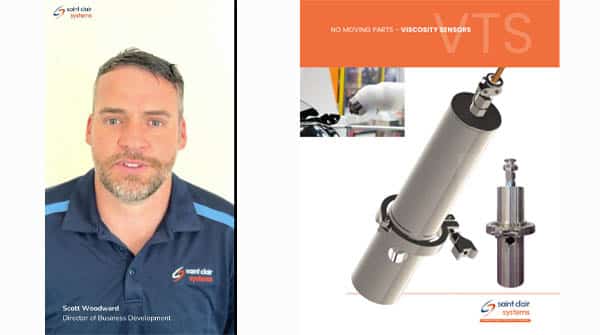
Why Real-Time Viscosity Measurement and Auto Dosing Matter: A Case Study
By Rob Gladstone | Uncategorized, Video
Learn why continuous viscosity monitoring is key to achieving uniform product consistency and avoiding defects & discover how automatic dosing systems help regulate viscosity levels, enhance process stability, and reduce waste.
Controlling Material Temperature in 100% Solids Coatings
By Rob Gladstone | Video
In this video, we dive into the world of 100% solids coatings and why precise temperature control is crucial for their successful application.

The Importance of Controlling Material Temperature When Dispensing 100% Solids UV-Cured Coatings
By Rob Gladstone | Industrial Finishing, Packaging, Paint
This blog will explore why maintaining the right temperature is important when dispensing 100% solids UV-cured coatings.

The Importance of Process Control in Automating Industrial Painting Systems
By Rob Gladstone | Automation, Blog, Coil Coating, Industrial Finishing, Paint, Painting, Uncategorized, Video
In this short video, we dive into the crucial role of process control in industrial painting systems. When it comes to achieving top-tier paint quality, controlling viscosity is essential. Join us as we explore.
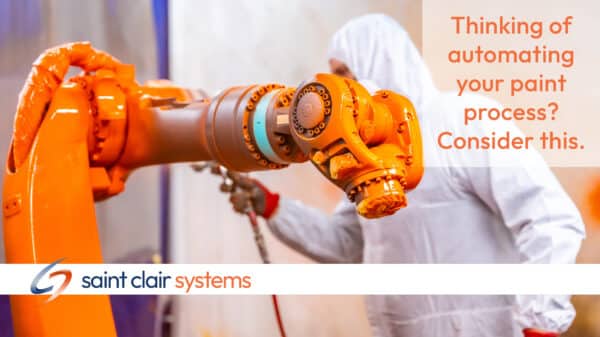
Thinking of automating your paint process? Consider this.
By Rob Gladstone | Automation, Automotive, Blog, Bonding & Overmolding, Coil Coating, Industrial Finishing, Paint, Painting, Printing, Robotics, Roll Coating, Sealant, Sealant & Adhesive Dispensing, Uncategorized
Over the past 30+ years, we have been fortunate to have been included in several migrations from manual applications to automated applications. Last month we visited an automation company, and it made me realize how much more manufacturing will become automated. It seems like as quickly as the experienced workforce is evaporating, the automation equipment...
Controlling Plant Temperature: Is It Enough?
By Rob Gladstone | Video
Is controlling your plant temperature enough to guarantee consistent material viscosity and consistent dispensing applications? Sometimes it is and sometimes it isn't. Watch this short video to learn more.
I control plant temperature. Isn’t that enough for my dispensing application?
By Rob Gladstone | Automation, Automotive, Blog, Bonding & Overmolding, Coil Coating, Industrial Finishing, Paint, Painting, Printing, Robotics, Roll Coating, Sealant, Sealant & Adhesive Dispensing, Uncategorized
Rob Gladstone President, Saint Clair Systems View Posts Home » Blog » I control plant temperature. Isn’t that enough for my dispensing application? When we talk about point-of-application fluid temperature…
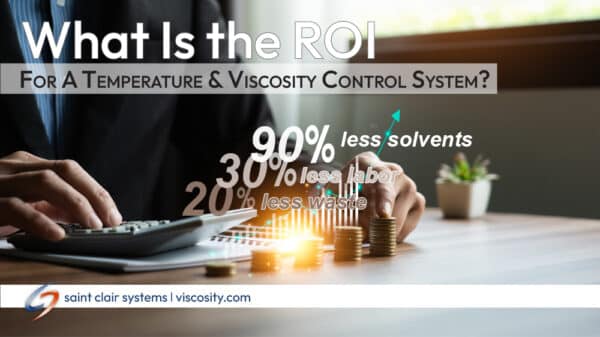
What’s the ROI for a Temperature & Viscosity Control System?
By Rob Gladstone | Automation, Automotive, Blog, Bonding & Overmolding, Coil Coating, Industrial Finishing, Paint, Painting, Printing, Robotics, Roll Coating, Sealant, Sealant & Adhesive Dispensing
Somebody asked me the other day, “What’s the payback period on your equipment?” The reality is it varies. Not only the payback period, (which averages about nine months), but the way our customers calculate it. It’s typically not just one thing. Here is a quick summary of common ways companies have been able to justify buying one of our solutions.
Is Controlling Temperature in the Mix Room Enough?
By Rob Gladstone | Video
Monitoring the temperature of a material for optimal fluid dispensing goes well beyond the mix room, Saint Clair Systems President Rob Gladstone explains.

Five Ways to Identify if Temperature is Negatively Impacting Your Process
By Rob Gladstone | Automation, Automotive, Blog, Bonding & Overmolding, Coil Coating, Industrial Finishing, Packaging, Paint, Painting, Printing, Robotics, Roll Coating, Sealant, Sealant & Adhesive Dispensing
Saint Clair Systems' Jill Christoff shares the process of elimination used in identifying if temperature is negatively impacting your process.
Is Controlling Temperature in the Mix Room Enough?
By Rob Gladstone | Automation, Automotive, Blog, Bonding & Overmolding, Coil Coating, Industrial Finishing, Packaging, Paint, Painting, Printing, Robotics, Roll Coating, Sealant, Sealant & Adhesive Dispensing
Controlling temperature in the mix room is a great start, but doesn't control If intermittent quality issues like: transfer efficiency, VOC concerns, or excessive solvent usage. A fully-automated fluid dispensing operation may be needed.

Pros & Cons of Inline Heaters for Fluid Dispensing Processes
By Rob Gladstone | Video
Saint Clair Systems' President Rob Gladstone unpacks the criteria in which an inline heater may be a good fit for your #fluiddispensing process - or not.

Automated Viscosity Control Can Fill the Void
By Rob Gladstone | Video
Recovering from the departure of a trusted employee can initially feel daunting. However, after a thorough evaluation of your process, and strategic planning for long-term success, a resolution can be curated through automated processes.
Monitoring Versus Controlling Viscosity
By Rob Gladstone | Video
An automated process, viscosity and temperature control implemented into a fluid dispensing process can reduce variabilities by over 97%.
Monitoring Versus Controlling Viscosity
By Rob Gladstone | Automation, Automotive, Blog, Bonding & Overmolding, Coil Coating, Industrial Finishing, Packaging, Paint, Painting, Printing, Robotics, Roll Coating, Sealant, Sealant & Adhesive Dispensing
Monitoring Versus Controlling Viscosity Rob Gladstone President, Saint Clair Systems View Posts Home » Blog » Monitoring Versus Controlling Viscosity Video At Saint Clair Systems, we’re fortunate to be able…
Process Optimization Program Presentation
By Rob Gladstone | Video
This short presentation outlines Saint Clair Systems' Process Optimization Program (POP) employed to get the most out of the implementation of paint temperature control in a coil coating process.
The Printers Survival Guide to Viscosity
By Rob Gladstone | Video
In this presentation we discuss the basic definition of viscosity and why it matters to printers, the various ways of measuring and controlling viscosity, the intractable relationship between temperature and viscosity and the benefits that controlling viscosity can bring to printers.
Making Sealer Behave | 1st Automotive Steel Summit
By Rob Gladstone | Video
This presentation was given by Michael Bonner at the Steel Group's 1st Automotive Steel Summit in New Delhi, India on July 22, 2016. It documents the development and implementation of the sealer temperature stabilization system incorporated into Tata Motors' Pune Body Shop robotic application cells.
44th Annual International Waterborne High Solids and Powder Coatings Symposium Webinar
By Rob Gladstone | Video
Presented at the 44th Annual International Waterborne High Solids and Powder Coatings Symposium in New Orleans on February 24, 2017.
The Evolution of Paint Temperature Control
By Rob Gladstone | Video
In this video, we examine why paint temperature control is still necessary, focusing on the resulting changes in temperature control technologies and comparing and contrasting the old approach and the new approach.
Controlling Orange Peel: The Foundation
By Rob Gladstone | Video
In this video, we examine the fundamentals behind the formation of orange peel.
Controlling Orange Peel | The Modern Systems of Today
By Rob Gladstone | Video
In this video, we look at new devices developed specifically for the purpose of controlling temperature all the way to the point of application in order to assure stable viscosity.
Making Sealer and Adhesive Behave | Living in the Rust Belt
By Rob Gladstone | Video
In this video we describe how and why sealers and adhesives came to be used in modern automobile manufacturing.
Guns or Bells – How Do I Decide?
By Rob Gladstone | Video
Saint Clair Systems' VP of Engineering & Technology, Mike Bonner, discusses little known facts that everyone should consider when choosing between guns or bells for their paint application. His presentation was made at the 2018 Waterborne Symposium in New Orleans.
Controlling Orange Peel
By Rob Gladstone | Video
In this short video, Mike Bonner of Saint Clair Systems discusses the fundamentals behind the phenomenon of orange peel in paint finishes.
Temperature Control System – How It Works
By Rob Gladstone | Video
Throughout the day, variations outside your material’s ideal working range will drastically affect its performance. Using our responsive systems, perfect temperature is maintained within one degree.
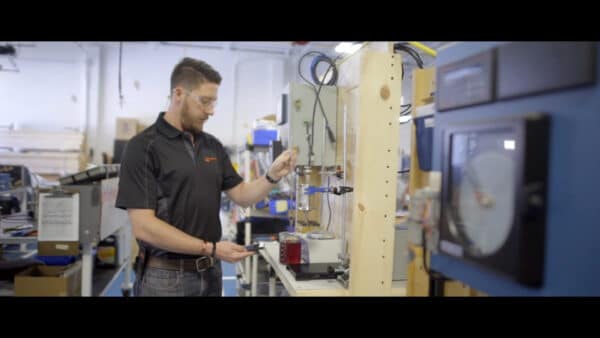
Saint Clair Systems – Who We Are
By Rob Gladstone | Video
Viscosity and temperature control is the biggest manufacturing problem you didn’t know you could fix. Improperly-controlled viscosity and temperature result in unnecessary waste, scrap, and lower first-pass yields

Solving Paint Defects
By Rob Gladstone | Video
One variable could be creating more issues than you may be aware of.
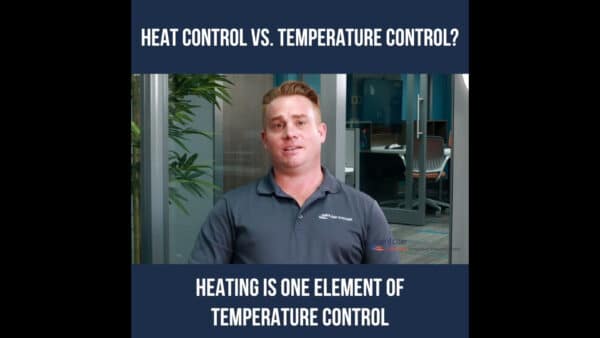
Paint Heaters vs. Temperature Control
By Rob Gladstone | Video
Don’t just think of Saint Clair Systems as the “paint-heater guys” -- we’re using temperature control to make your business look good.
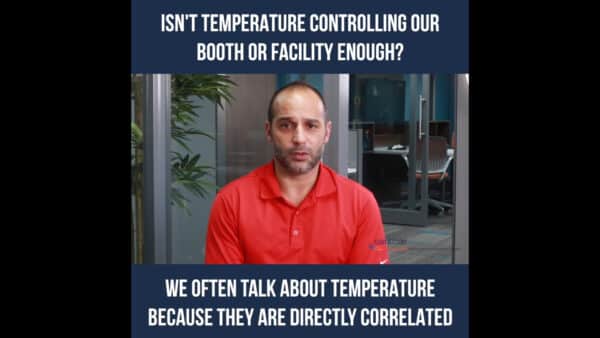
Is Temperature Controlling Your Booth Enough?
By Rob Gladstone | Video
Changes in temperature throughout the day, or from season to season, can significantly affect your quality and efficiency -- the viscosity of paint, enamel and sealer is directly affected by just a few degrees.
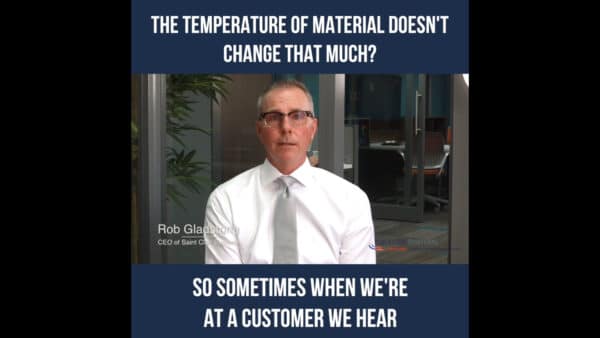
Does Material Temperature Change Much During Your Process?
By Rob Gladstone | Video
If changes in ambient temperature on a daily or seasonal basis are making their way into your spray pattern, we can definitely help.
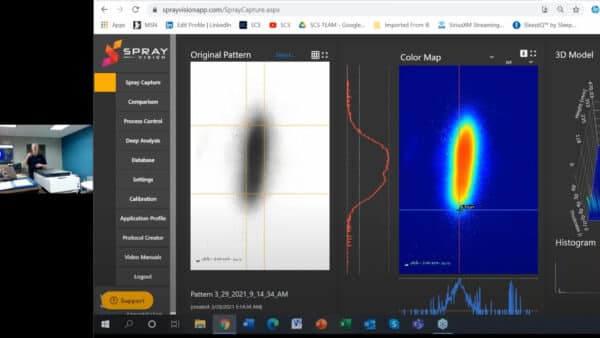
SprayVision Demo
By Rob Gladstone | Video
In this video, SCS' Mike Bonner demonstrates the features and use of the SprayVision System for analyzing paint system performance for one of our key partners.
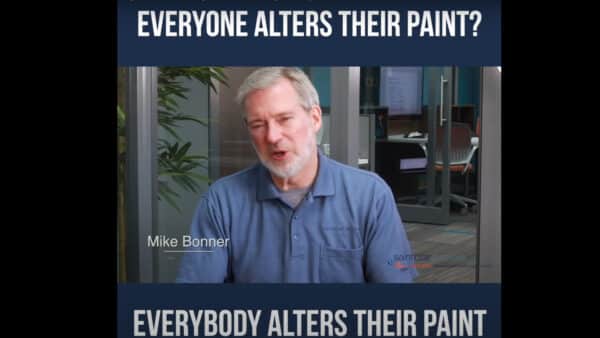
Everyone Alters Their Paint Don’t They?
By Rob Gladstone | Paint, Video
If you consistently add solvent or water to your paint formulations, you may be creating conditions you don't want.

A Tale of Two Coil Coaters Presentation
By Rob Gladstone | Video
This presentation covers the installation of paint temperature control on Steelscape's Kalama and Rancho Cucamonga coil coating lines and contrasts the reasons for undertaking this capital project, the gains realized after 7 months, and those realized after 7 years.

The Only Data That Matters is Yours
By Rob Gladstone | Automation, Automotive, Bonding & Overmolding, Coil Coating, Industrial Finishing, Packaging, Paint, Painting, Printing, Robotics, Roll Coating, Sealant, Sealant & Adhesive Dispensing
A Temperature Control System is essential – and so is having the right system for your unique process. We can get you there.

The Importance of Appearance and Rising Standards
By Rob Gladstone | Automotive, Industrial Finishing
Saint Clair Systems’ groundbreaking temperature control improves a major Tier 1 Auto Supplier’s industrial finishing process. Read about the demo here!
Why Color Quality and Consistency is Critical for Brands
By Rob Gladstone | Packaging, Printing
Color quality and consistency in printing is critical for brands. Saint Clair Systems discusses the importance of proper ink management. Read about it here!
Are Batch-to-Batch Paint Variations Self-Inflicted?
By Rob Gladstone | Industrial Finishing, Painting
Temperature control in your paint process reduces batch-to-batch variations and the need for solvents. Saint Clair Systems explains how to get better results!
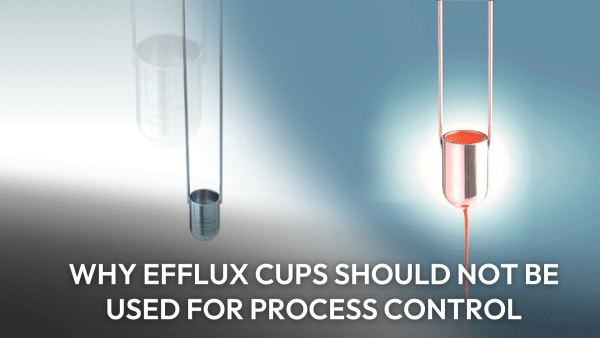
Why Efflux Cups Should Not Be Used For Process Control
By Rob Gladstone | Packaging, Printing
Saint Clair Systems explains why viscometers provide more accurate & efficient ink viscosity measurements for printing, outperforming manual devices. Learn how!
What’s the Cost If You Don’t?
By Rob Gladstone | Automotive, Industrial Finishing
Poor quality is your company’s biggest cost. Saint Clair Systems explains how temperature & viscosity control in fluid dispense provides consistent quality.
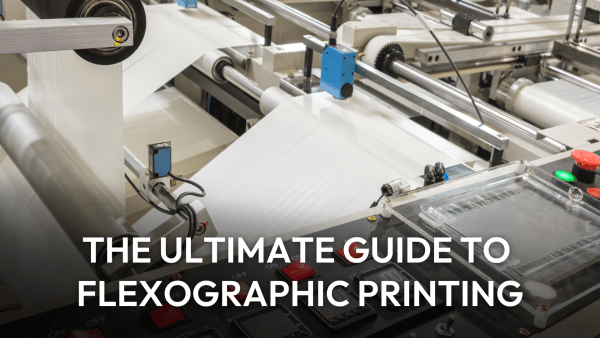
The Ultimate Guide to Flexographic Printing
By Rob Gladstone | Packaging, Printing
Saint Clair Systems explains why flexographic printing is the fastest-growing printing process in the world, is eco-friendly, and has many applications and benefits.
You’ve Seen Uneven Viscosity Before
By Rob Gladstone | Automation, Automotive, Robotics, Sealant, Sealant & Adhesive Dispensing
Saint Clair Systems’ point of application temperature and viscosity control technology produces consistent results in your sealant application. Learn more here!
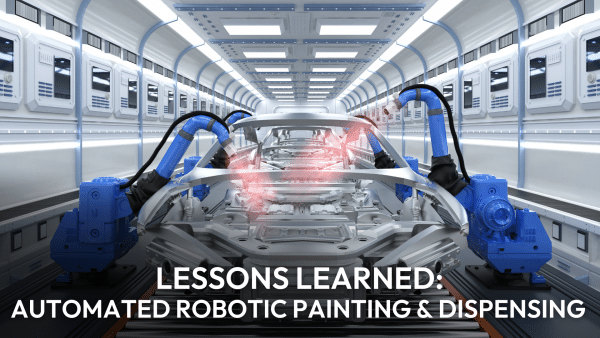
Lessons Learned: Automated Robotic Painting & Dispensing
By Rob Gladstone | Automation, Automotive, Industrial Finishing, Robotics, Sealant & Adhesive Dispensing
Expert in viscosity and temperature control in fluid dispense applications discusses why automation is strongly recommended in your process. Learn why here.

Have you automated viscosity measurement?
By Rob Gladstone | Bonding & Overmolding, Industrial Finishing, Packaging, Printing, Sealant & Adhesive Dispensing
Are you still using a Zahn cup to measure paint viscosity? That’s akin to relying on a rotary phone. It’s time to talk about automation. Click to learn more.

10 Troubleshooting Tips for Gravure Printing
By Rob Gladstone | Packaging, Printing
We discuss 10 of the most common issues with gravure printing, and 10 easy solutions you can implement today.

Solvent Exposure is Linked to Memory Loss
By Rob Gladstone | Coil Coating, Industrial Finishing, Sealant & Adhesive Dispensing
Solvent reduction initiatives can reduce health risk and improve your facility’s efficiency. Three areas to improve: materials, equipment, and techniques.

Process Evaluation: What It Is & How It Can Change Your Business for the Better
By Rob Gladstone | Bonding & Overmolding, Coil Coating
How is temperature affecting your fluid dispensing process? The temperature control experts at Saint Clair Systems can evaluate your process. Learn how!
Get the Inside Scoop with SCS Experts
Welcome to the best resource around for viscosity and temperature control. Read on for updates on Saint Clair Systems and exciting industry news, plus free tools, guides, and resources.