


Over the past 30+ years, we have been fortunate to have been included in several migrations from manual applications to automated applications. Last month we visited an automation company, and it made me realize how much more manufacturing will become automated. It seems like as quickly as the experienced workforce is evaporating, the automation equipment is becoming more affordable and easier to implement. During our discussion, it became clear that some companies are more prepared for automating than others. I wanted to share what we have seen and what we have learned through our relationships with the companies supplying the automation. Below are a small handful of things to consider when automating a paint process.
Material Viscosity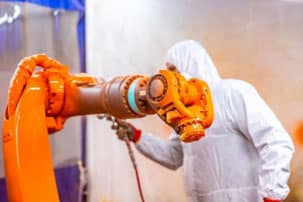
Since controlling material viscosity is what we do, you can find plenty of case studies, blogs, infographics, etc. on our website. I will not get into it here other than to say it is an important variable to control and your experienced painter is managing this intuitively. Your automation will not have that same intuition.
Material % Volume Solids
When automating a paint process, this is so important because it represents what is left on the substrate. Again, your experienced painter is adjusting based on his or her observations and preventing excess material usage and a variety of quality defects including but not limited to the following:
- Inconsistent Film Thickness – Too thick can lead to issues like sagging, runs, and drips. Too thin may provide inadequate coverage and protection. Either will contribute to poor color match.
- Orange Peel – Changes in % Volume Solids can affect the flow and leveling properties of the paint, causing an uneven surface texture that resembles the skin of an orange.
- Blistering – Variations in % Volume Solids can lead to improper drying, resulting in moisture or solvents being trapped under the paint surface, causing blisters.
Obviously, this list of defects could be much longer, but these are some common examples.
Read more: Controlling Orange Peel
Paint Flow Rate
The rate at which paint is delivered to the spray gun affects film thickness and overall coverage.
Spray Gun Settings
- Atomization Pressure – The pressure used to atomize the paint, which influences the paint droplet size and distribution.
- Fan Width – The width of the spray pattern, affecting the coverage area and overlap.
- Fluid Pressure – The pressure at which the paint is pushed through the spray gun.
Temperature and Humidity
Environmental conditions in the painting area can affect paint drying times, viscosity, and overall application quality. Consistent control of temperature and humidity is essential.
Scheduled Maintenance
Adhering to a disciplined maintenance schedule becomes critical. Below are some reasons why.
- Consistency and Quality – Regular maintenance helps ensure that the equipment operates within its designed parameters, leading to consistent paint application.
- Optimal Performance – Regular calibration and adjustment of systems keep the painting process operating at peak performance, ensuring optimal paint application and finishing.
- Minimizing Rework and Scrap – Consistent maintenance reduces the likelihood of defects that would require rework or lead to scrap, thus saving time and materials.
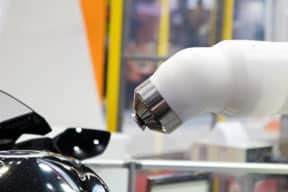 Automating your paint process can provide significant benefits both in terms of finished product quality and operating costs. I cannot think of one painting automation project that did not wind up being a net benefit. Based on our own observations and discussions with the companies that are providing the automation equipment, getting a few things tightened up before implementation can make your migration to automation much easier.
The consistency of motion, distance and angle of the spray gun, and no vacation days, are driving paint automation. If you can account for the details that are currently being managed by your experienced painters, you will reap the benefits of automation sooner rather than later.
Need help in deciding what’s best for your workflow and process efficiency?
Schedule a FREE evaluation with us!
Helpful Links & Resources