
I control plant temperature. Isn’t that enough for my dispensing application?

When we talk about point-of-application fluid temperature control, we often hear, “I control plant temperature. Isn’t that enough for my dispensing application?” Sometimes it is. There are a handful of factors to consider when making that decision, including the precision of your specifications, the sensitivity of your material to temperature changes, and whether the application is automated or manual. If you have any combination of loose specifications, stable material, or a manual dispensing process, controlling your plant temperature may be sufficient. If not, there are a few things to consider.
The Basics
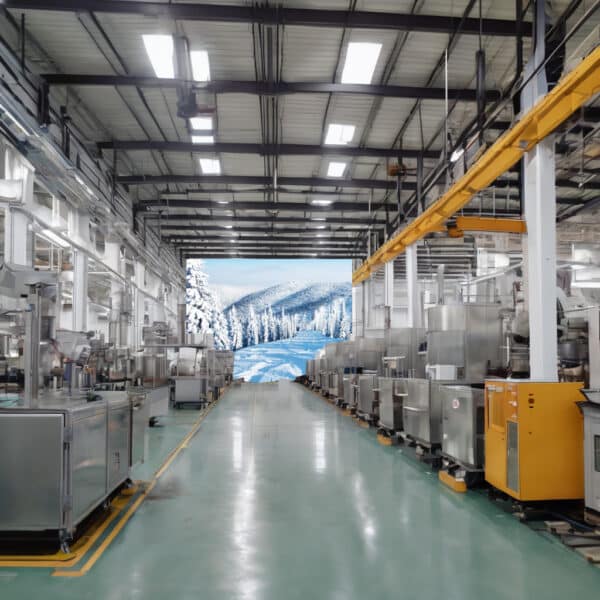
Fluid temperature is important because as it changes, the fluid viscosity changes. As the fluid viscosity changes, the dispense properties, and ultimately, the final process results change. The thought is that if your plant temperature never changes, the fluid temperature never changes, and if the fluid temperature never changes, you get consistent results from your dispensing process. Makes sense. However, let’s look at a short list of some things that often get overlooked.
Process Generated Heat
Most dispensing processes generate their own heat, often in the form of friction. Pass a high viscosity adhesive through a pump, a regulator, and an orifice, and the resulting shear and friction will generate heat. Because friction is mechanical, it doesn’t matter what the ambient is, the adhesive will get warmer.
An even better example is the coil coating process, where large rollers pick up the coating, squeeze it out to the proper thickness and then apply it to coil steel or aluminum moving at speeds of 300 FPM or more. The heat generated can be significant and is absorbed by the coating waiting to be applied, changing its temperature and therefore its viscosity, ultimately changing the results.
Material Storage Temperature
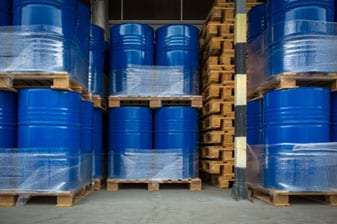 If you’ve ever brought in a fresh drum of material from the cold, you know that it could take some time before it is ready to use. If you don’t have that kind of time, you may adjust the formulation to get it online as soon as possible. Adjusting the formulation equates to adjusting the results and that may be unacceptable. If your plant temperature is set for 75°F, it could be a long time before your 50°F material approximates your plant temperature. With no other method of material temperature control, the starting temperature matters.
Read more: Is Controlling Temperature in the mix Room Enough?
What is the Right Temperature?
There are often multiple dispensing processes within the same facility and each of these may have its own optimal dispensing temperature. If each one is optimal at a different temperature, which one do you choose? The most critical? The most common? The most expensive? And who makes that decision?
Additionally, the best temperature for the material being dispensed may not be the best temperature for your operators. Suppose that the ideal dispense temperature for an adhesive is 50°C (122°F).
While keeping the plant at a consistent temperature will help reduce the variability of your dispensing process, that temperature may not always correlate with your ideal dispensing conditions.
Conclusion
Consider yourself fortunate if you operate in a plant that has a consistent temperature from day to night and season to season. In manufacturing, variation is the enemy and eliminating any variable helps. Also, if you have any combination of relatively undemanding specifications, stable material, or an operator capable of making quick adjustments, keep doing what you’re doing. It’s probably working.
On the other hand, if you have a stable plant temperature and are still suffering from process variability, you may want to consider looking into some of the issues above. Consistent plant temperature doesn’t always mean consistent results at the point-of-application and that is where the results happen
Want to know how to implement consistent temperature control in your process?
Helpful Links & Resources